Platform Engineering Challenges
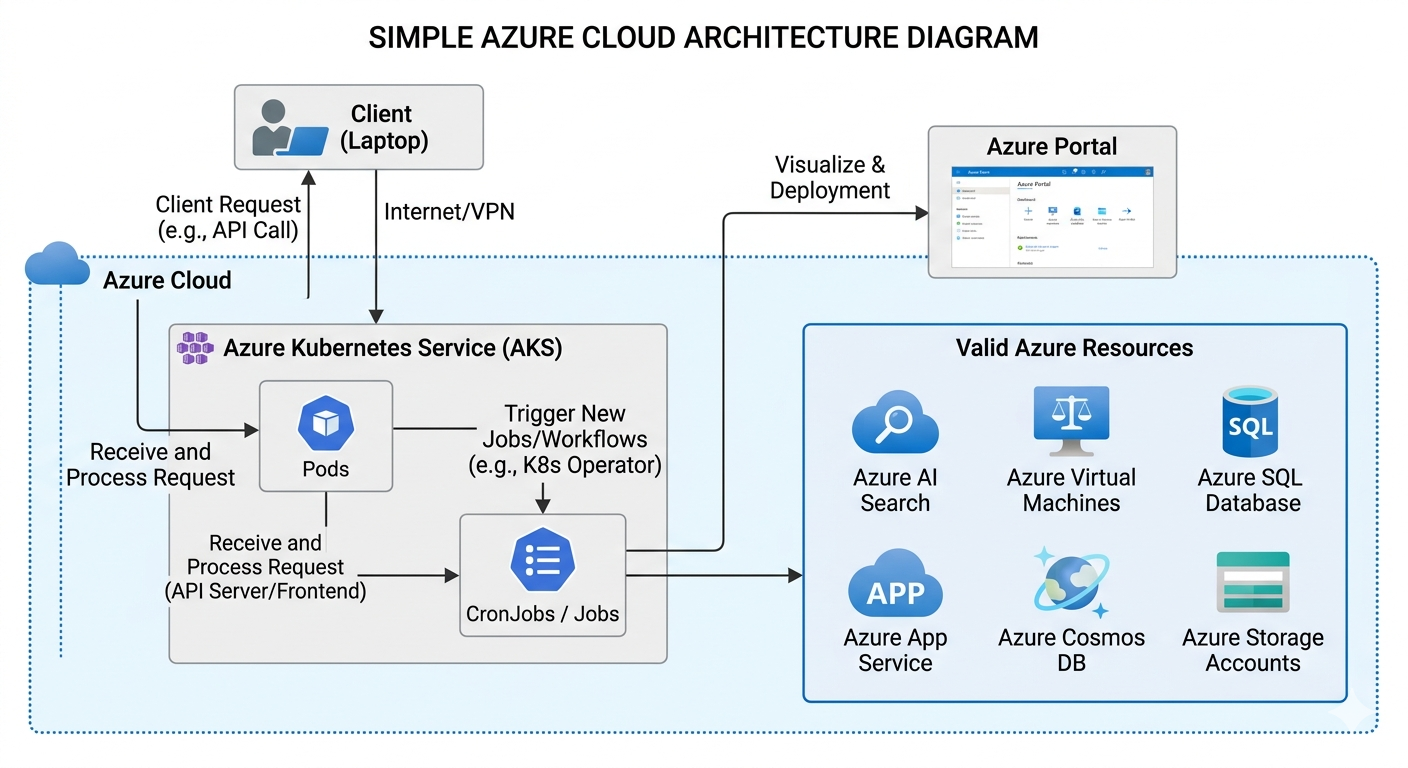
Building an internal provisioning platform whether using Terraform, Pulumi or a custom control plane is rarely a “set it and forget it” project. It is continuous maintenance dressed up as a product.
The Hidden Tax of Self-Service Infrastructure
A platform team is not just writing automation. It is managing the abstraction layer between developers and the cloud.
- Provider drift means cloud APIs evolve constantly and each update can break downstream environments unless the platform is tested and patched.
- State and logic are both first-class citizens. This is not just scripting. It is managing state, concurrency and dependencies across thousands of resources.
The Maintenance Reality
A platform is only valuable if it remains reliable and easy to use over time.
- A monolithic platform amplifies blast radius because one bad update can freeze the whole stack.
- If team velocity suffers because platform changes are slow, the platform becomes a bottleneck rather than an enabler.
The Microservice Mandate
To maintain stability every deployable component should follow a microservices mindset.
- Granular failure domains come from small, decoupled services that let teams update and roll back changes independently.
- Faster iteration happens when state files are smaller and plans are scoped, which leads to faster test cycles and fewer surprises.
The Multi-Cloud Challenge
Spreading a platform across multiple clouds is difficult because cloud agnosticism is a myth.
A VPC in AWS is fundamentally different from a VNet in Azure. Trying to make them look the same often leads to a platform that gives up the native behavior teams actually need.
What to Prioritize When Designing a Platform
If you are starting this journey focus on these three important pillars.
- Developer experience matters more than elegant abstraction. Build golden paths and templates that let teams deploy in minutes rather than days.
- Extensibility is not about perfect architecture. It is about a modular design that lets teams plug in custom resources without changing the core engine.
- Observability and guardrails should catch misconfigurations before production, not wait for teams to discover them later.
The Strategic Payoff
Despite the overhead a centralized platform is essential for scaling.
- Secure by default means building IAM, encryption and logging into templates rather than bolting them on later.
- Standardization helps enforce company-wide tagging, naming and networking rules without relying on manual checklists.
The Bottom Line
Infrastructure platforms are living products. They require dedicated ownership, regular updates and ongoing alignment with the underlying cloud.
If you treat a platform as a one-time project it becomes technical debt. The teams that succeed treat platform engineering as a continuous product discipline grounded in pragmatism and curiosity.
Share with others on